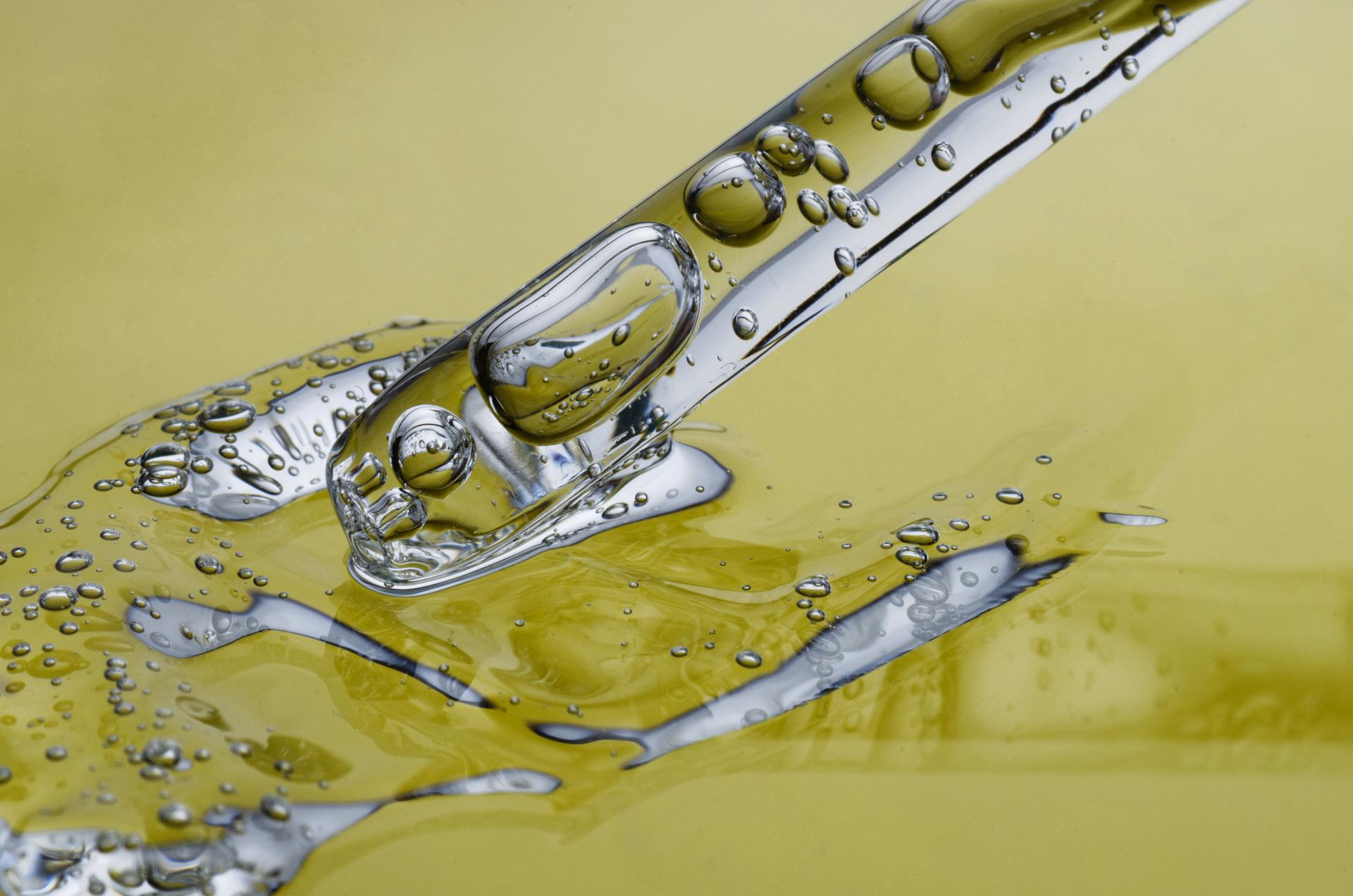
Glycerin, also known as glycerol, is a versatile compound widely used in the pharmaceutical industry. Its unique chemical properties, including moisture absorption, low toxicity, and compatibility with various materials, make it indispensable in pharmaceutical formulations.
This article explores the multifaceted applications of glycerin in pharmacy, including its roles as a solvent, humectant, preservative, and therapeutic agent. It also discusses safety profiles, regulatory considerations, and innovations in glycerin production.
Glycerin (C₃H₈O₃) is a simple polyol compound known for its three hydroxyl groups, which contribute to its water solubility and moisture-retaining properties. This colorless, odorless, viscous liquid with a sweet taste is typically derived from both natural and synthetic sources. In the pharmaceutical field, glycerin’s multifunctional properties are employed for various applications, underscoring its significance in drug formulations and therapeutic practices.
Glycerin’s Pharmaceutical Applications
Solvent and Co-solvent
Glycerin acts as an effective solvent and co-solvent in pharmaceutical formulations, helping to dissolve active pharmaceutical ingredients (APIs) and enhance the stability of liquid preparations. Its compatibility with both aqueous and alcoholic solutions allows for diverse applications in syrups, elixirs, and tinctures. For instance, glycerin is used in cough syrups to dissolve medicinal compounds and create a pleasant taste.
Humectant and Moisture Retention Agent
Glycerin’s moisture-absorbing property enables it to attract and retain moisture, making it a crucial component in topical pharmaceutical products. It is included in creams, ointments, and lotions to maintain skin hydration, repair the skin barrier, and enhance the penetration of other therapeutic agents. Studies have shown that glycerin is effective in alleviating dry skin conditions and supporting wound healing processes.
Preservative and Stabilizer
Glycerin has antimicrobial properties that contribute to its role as a preservative in pharmaceutical formulations. By reducing water activity, it inhibits the growth of microorganisms and extends the shelf life of products. Additionally, glycerin stabilizes emulsions and prevents sugar crystallization in syrups, ensuring the efficacy and quality of medications.
Therapeutic Agent
Beyond its auxiliary functions, glycerin also possesses therapeutic properties. When taken orally, it acts as an osmotic dehydrating agent, reducing intracranial and intraocular pressure, which is beneficial in managing conditions like cerebral edema and glaucoma. When used rectally, glycerin suppositories serve as laxatives by drawing water into the colon and stimulating bowel movements.
Innovations in Glycerin Production
Advancements in glycerin production have significantly improved its availability and quality for pharmaceutical use. Traditionally, glycerin was obtained as a byproduct of soap and biodiesel production. However, innovative methods have emerged to meet the growing demand for high-purity glycerin:
- Biotechnological Approaches: Microbial fermentation using genetically engineered microorganisms to produce glycerin from renewable sources like sugarcane and corn has been developed. This method ensures a sustainable and environmentally friendly supply chain.
- Advanced Purification Techniques: Modern purification processes, including vacuum distillation and membrane filtration, have enhanced impurity removal and enabled the production of high-quality, pharmaceutical-grade glycerin.
- Synthetic Production: Advances in chemical synthesis have made it possible to produce glycerin from propylene, offering an alternative to traditional methods and ensuring a continuous supply even when natural raw materials are limited.
These innovations have not only increased glycerin production efficiency but also contributed to its sustainability, aligning with the global shift toward greener pharmaceutical practices.
Glycerin, Safety and Regulatory Considerations
Glycerin is generally recognized as safe (GRAS) by regulatory authorities, including the U.S. Food and Drug Administration (FDA). Its low toxicity profile and extensive history of use in pharmaceuticals support its safety. However, the source and purity of glycerin are crucial, as contaminants like diethylene glycol have been associated with adverse effects. Therefore, stringent quality control measures are essential to ensure the safety and efficacy of glycerin-containing products.
Reliable Glycerin Supplier
Finding a dependable glycerin supplier is essential for ensuring the quality and consistency of your pharmaceutical products. Start by identifying suppliers with a solid reputation in the industry, especially those experienced in providing high-quality excipients like glycerol. Look for reviews, testimonials, and references from other professionals in the field to gauge their reliability.
Ensure the supplier adheres to industry standards such as Good Manufacturing Practices (GMP) and holds certifications like ISO 9001, USP, or EP compliance. It’s also vital to confirm that their processes align with local and international regulatory requirements, such as ICH Q7 guidelines.
A trustworthy supplier should offer complete transparency regarding quality assurance. They must provide detailed documentation, including certificates of analysis (CoA), batch records, and stability data. Their testing procedures should verify that the glycerin meets strict criteria for purity, viscosity, and absence of impurities.
Traceability is another key factor. Reliable suppliers should clearly document the origins of their raw materials and manufacturing processes. They should also be open to inspections and audits conducted by regulatory authorities or your quality team.
The supplier’s ability to maintain a stable and efficient supply chain is critical. Assess whether they can handle your required volumes and deliver on time, even during peak demand periods, without compromising product quality.
While cost is a consideration, prioritize suppliers who strike a balance between competitive pricing and high-quality standards. It’s also important to review their payment terms to ensure they align with your company’s financial policies.
Excellent customer support is a hallmark of a reliable supplier. They should assist with technical queries about glycerin’s use in formulations, regulatory compliance, and compatibility. Their team should be responsive and proactive in addressing any issues.
Flexibility is another advantage. Choose suppliers who can accommodate varying order sizes and provide tailored solutions, such as custom packaging or support for specific formulation needs.
Finally, consider suppliers who are committed to sustainability and ethical practices. Their production processes should minimize environmental impact and reflect social responsibility.
Utah Trading LLC, the Right Choice for Glycerin
Utah Trading LLC is your trusted partner for high-quality glycerin tailored to pharmaceutical needs. We collaborate with certified manufacturers to ensure that our glycerin meets the highest standards of quality and compliance. Each batch undergoes rigorous testing, supported by detailed documentation, including CoAs and stability data.
Our expertise in logistics and inventory management guarantees timely and reliable deliveries that align with your production schedules. We also provide customized solutions, from tailored packaging options to regulatory support, ensuring your unique business requirements are met.
By choosing Utah Trading LLC, you gain a partner committed to sustainability, reliability, and excellence. Let us support your operations with a dependable supply of premium glycerin.
Conclusion
The multifunctional properties of glycerin make it an indispensable component in the pharmaceutical industry. Its roles as a solvent, humectant, preservative, and therapeutic agent highlight its importance and versatility in drug formulations and treatments. Ongoing research and innovations in glycerin production continue to uncover new applications and strengthen its position as an effective and essential excipient in pharmaceuticals.


