
Enoxaparin Sodium, a low-molecular-weight heparin (LMWH), has gained widespread usage in the pharmaceutical industry due to its effective anticoagulant properties. Since its development in the 1980s, it has played a crucial role in preventing and treating thromboembolic disorders, including deep vein thrombosis (DVT) and pulmonary embolism (PE). This article explores the history, extraction methods, different types, and the broad applications of Enoxaparin Sodium in the pharmaceutical sector.
Enoxaparin Sodium was developed in the early 1980s as a semi-synthetic derivative of heparin, designed to improve upon the properties of standard heparin. Heparin, a naturally occurring anticoagulant derived from animal sources, was widely used in medicine, but its clinical use was hampered by its variability and the need for frequent monitoring of blood clotting parameters.
The development of Enoxaparin Sodium, As an Active Pharmaceutical Ingredient (API), aimed to create a more predictable, safer form of heparin with reduced risk of complications such as bleeding. Enoxaparin was synthesized by depolymerizing heparin to obtain smaller molecules, which possess enhanced bioavailability, longer half-life, and more predictable anticoagulant effects. This development led to the approval of Enoxaparin Sodium by regulatory bodies such as the U.S. Food and Drug Administration (FDA) in 1993, marking a significant milestone in anticoagulant therapy.
Since then, Enoxaparin Sodium has become an essential drug in managing various thromboembolic conditions and is included in the World Health Organization’s List of Essential Medicines, a recognition of its importance in global healthcare.
How Is Enoxaparin Sodium Extracted and Produced?
The production of Enoxaparin Sodium is a multi-step process involving several key stages, each designed to ensure the drug’s efficacy and safety.
- Source Material: The primary raw material for Enoxaparin Sodium is heparin, typically extracted from the intestinal mucosa of pigs. This natural source of heparin undergoes several purification steps to remove unwanted contaminants, including proteins, lipids, and other cellular material. This purified heparin serves as the precursor for synthesizing Enoxaparin Sodium.
- Depolymerization: Heparin’s molecular weight is reduced through a process called depolymerization. In this step, heparin is chemically treated with an alkaline solution, which breaks the long polysaccharide chains into smaller fragments. This results in low-molecular-weight heparins like Enoxaparin, which offer better pharmacokinetic properties, including more predictable dosing.
- Purification: The depolymerized heparin is purified using a combination of ethanol precipitation and other purification methods to eliminate residual impurities and ensure that the final product meets the necessary pharmacopoeial standards. Purification is a crucial step, as even small impurities can affect the safety and efficacy of the drug.
- Characterization: To confirm the quality and consistency of Enoxaparin Sodium, various analytical techniques are used. High-performance liquid chromatography (HPLC) is a primary method used to determine the molecular weight distribution of the drug, ensuring it falls within the required range. These techniques guarantee that each batch of Enoxaparin Sodium is consistent and free from contaminants.
The final product is then formulated into injectable solutions that can be used directly by patients. These formulations are available in pre-filled syringes or vials for convenience and ease of administration.
Types of Enoxaparin Sodium
Enoxaparin Sodium is available in several different formulations, which are tailored to meet various clinical needs. These formulations vary in concentration, volume, and packaging, allowing healthcare providers to choose the best option for individual patients. The most common types include:
- Pre-filled Syringes: These are the most common form of Enoxaparin Sodium, designed for easy subcutaneous injection. Pre-filled syringes contain a specific dose of Enoxaparin, reducing the risk of dosing errors and improving patient compliance.
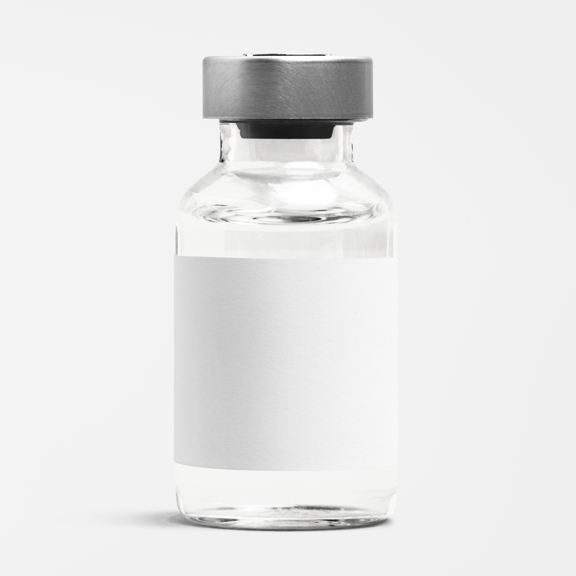
- Vials: Enoxaparin Sodium is also available in vial form, where the drug must be drawn into a syringe before administration. Vials may be used in hospitals or clinics where healthcare providers administer the medication.
Applications of Enoxaparin Sodium in the Pharmaceutical Industry
Enoxaparin Sodium plays a vital role in treating and preventing various thromboembolic disorders, where abnormal blood clotting poses a significant health risk. Below are the key applications of Enoxaparin Sodium in the pharmaceutical field:
Prevention of Venous Thromboembolism (VTE)
One of the primary uses of Enoxaparin Sodium is in the prevention of venous thromboembolism (VTE), a condition that includes both deep vein thrombosis (DVT) and pulmonary embolism (PE). Patients undergoing major surgeries, such as hip or knee replacements, are at high risk for developing blood clots, which can lead to life-threatening conditions like PE. Enoxaparin Sodium is commonly administered in these patients to reduce the risk of clot formation.
Treatment of Acute Coronary Syndromes (ACS)
Enoxaparin Sodium is also widely used in the treatment of acute coronary syndromes (ACS), which include conditions such as unstable angina and non-ST elevation myocardial infarction (NSTEMI). In these conditions, Enoxaparin helps prevent further clot formation in the coronary arteries, improving patient outcomes and reducing the risk of heart attacks.
Management of DVT and PE
For patients diagnosed with DVT or PE, Enoxaparin Sodium is used as part of the treatment regimen to prevent the clot from growing larger and to reduce the risk of future clot formation. Its ability to be administered subcutaneously and its long half-life make it an ideal option for outpatient management of these conditions.
Advantages Over Unfractionated Heparin
Enoxaparin Sodium offers several advantages over its predecessor, unfractionated heparin (UFH). These include:
- Predictable Pharmacokinetics: Unlike UFH, Enoxaparin has a more predictable dose-response, reducing the need for regular monitoring of clotting parameters such as activated partial thromboplastin time (aPTT).
- Longer Half-Life: Enoxaparin can be administered less frequently, often once or twice a day, improving patient compliance.
- Lower Risk of Heparin-Induced Thrombocytopenia (HIT): HIT is a serious side effect of heparin therapy, which is less common with Enoxaparin.
Key Characteristics of Good Enoxaparin Sodium Suppliers
When choosing suppliers for Enoxaparin Sodium, certain qualities are essential to ensure product quality and reliability:
- Certifications and Compliance: Reliable suppliers should have certifications like GMP to ensure their products meet global manufacturing standards.
- Quality Control and Testing: Suppliers should provide reports on product testing, including physical, chemical, and biological properties, ensuring product purity and efficacy.
- Transparency: A trustworthy supplier must be clear about their manufacturing processes, sources of raw materials, and purification methods.
- Technical Support and After-Sales Service: Good suppliers offer technical assistance and after-sales support, including usage guidance and issue resolution.
- Timely Delivery and Proper Shipping: Suppliers should ensure on-time delivery while maintaining product integrity during transport.
Choosing a supplier with these qualities is crucial for obtaining high-quality Enoxaparin Sodium.
Utah Trading LLC: A Trusted Enoxaparin Sodium Supplier
Utah Trading LLC is a reliable Enoxaparin Sodium supplier committed to quality and compliance with international standards. By collaborating with reputable manufacturers, we ensure that products are delivered with the highest purity and efficacy. Our efficient logistics guarantee timely and proper delivery of products. Our support team is always available to assist you. As a trusted partner, Utah Trading LLC offers excellent customer service and high-quality products.
Wrapping Up
Enoxaparin Sodium is a cornerstone of modern anticoagulant therapy, offering significant improvements over traditional heparin. Its predictable pharmacokinetics, safety profile, and ease of use have made it an essential drug for preventing and treating thromboembolic disorders. With continued research and development, Enoxaparin Sodium will remain an invaluable tool in the pharmaceutical industry’s efforts to improve patient care.


