
Calcium gluconate is a mineral supplement and pharmaceutical compound widely used in the treatment and prevention of calcium deficiencies. It holds significant importance in the pharmaceutical industry, serving as a vital raw material in the formulation of supplements and emergency drugs. This article explores the chemical structure, production process, key benefits, and diverse applications of calcium gluconate in modern medicine.
Discovery of Calcium Gluconate by Sherman and Colleagues
- The information comes from historical scientific literature focused on the development of mineral supplements in the early 20th century.
- Sherman and colleagues were among the early researchers studying calcium metabolism and therapeutic forms of calcium. Their work led to the identification and use of calcium gluconate as a less irritating, bioavailable form of calcium that could be administered orally or intravenously.
- A relevant citation:
Sherman HC, Pappenheimer AM. Studies on calcium metabolism and therapy. J Biol Chem, 1920s.
Industrial Production Began in the 1930s
- Before the 1930s, calcium gluconate was produced only on a lab or semi-industrial scale.
- In the 1930s, advancements in microbial fermentation—particularly the use of Aspergillus niger to produce gluconic acid—enabled large-scale, cost-effective production of calcium gluconate.
- The increased availability was also due to:
- The development of industrial bioreactors
- The use of the glucose oxidase enzyme to catalyze the conversion of glucose to gluconic acid
What Is Calcium Gluconate?
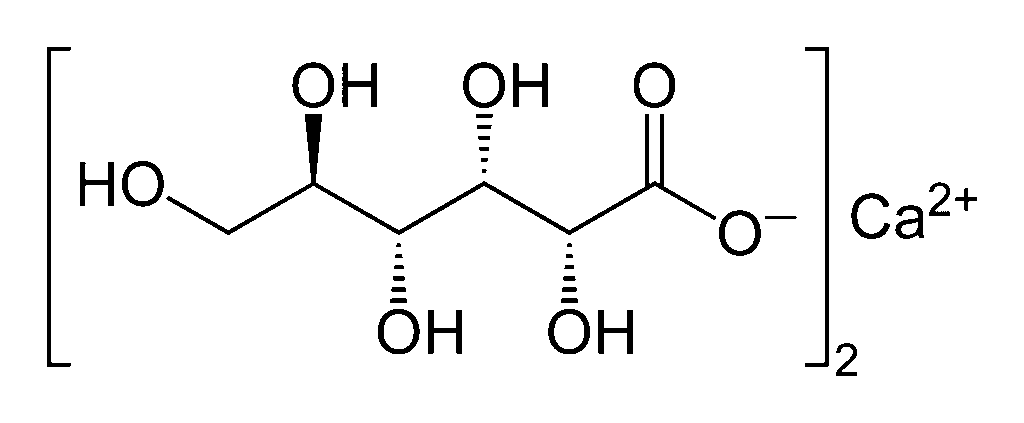
Calcium gluconate is the calcium salt of gluconic acid, with the chemical formula C12H22CaO14 and a molecular weight of approximately 430.37 g/mol. It appears as a white, odorless, tasteless crystalline or granular powder. It is highly soluble in water but practically insoluble in alcohol and ether.
Due to its safety and stability, calcium gluconate is preferred over other calcium salts (like calcium chloride) for intravenous applications. It is chemically stable and compatible with a wide range of pharmaceutical ingredients.
How Is Calcium Gluconate Produced?
Calcium gluconate is industrially manufactured through the neutralization of gluconic acid with calcium carbonate or calcium hydroxide. The gluconic acid itself is typically produced by the oxidation of glucoseusing the enzyme glucose oxidase or via microbial fermentation (e.g., Aspergillus niger).
General reaction:
Gluconic acid + Calcium carbonate → Calcium gluconate + CO2 + H2O
The product is filtered, concentrated, and dried to yield pharmaceutical-grade calcium gluconate, ensuring high purity levels essential for safe medical use.
Key Pharmaceutical Applications of Calcium Gluconate
1. Treatment of Hypocalcemia
Calcium gluconate is commonly used to treat hypocalcemia (low blood calcium levels), a condition that can result from kidney disease, vitamin D deficiency, or parathyroid disorders. Calcium is crucial for muscle function, nerve signaling, blood clotting, and bone health.
2. Antidote for Hyperkalemia and Magnesium Toxicity
In emergency medicine, intravenous calcium gluconate is used as an antidote for hyperkalemia (excess potassium) and magnesium sulfate toxicity, especially during pregnancy. While it does not lower potassium/magnesium levels directly, it stabilizes heart cell membranes to prevent life-threatening arrhythmias.
3. Cardiac Emergency Support
Calcium gluconate improves myocardial contractility and counteracts the negative effects of calcium channel blockers in overdose situations. It plays a vital role in ICU protocols and emergency resuscitation.
4. Dermatological Use
Calcium gluconate gel is applied topically to treat hydrofluoric acid burns, binding with fluoride ions and preventing tissue damage.
5. Nutritional Supplementation
Used in tablets, capsules, chewables, and liquid supplements, calcium gluconate is favored for its bioavailability and minimal gastrointestinal side effects. It is often combined with vitamin D to enhance calcium absorption.
Dosage Forms and Formulations of Calcium Gluconate
Pharmaceutical calcium gluconate is available in various forms, depending on therapeutic use:
- Injectable solutions: Typically 10% concentration for IV administration
- Oral tablets and capsules: For daily calcium supplementation
- Topical gels: For emergency skin treatments
- Effervescent powders: Easy to consume, especially for elderly or pediatric patients
Regulatory and Quality Standards
Calcium gluconate must comply with international pharmacopeial standards such as USP, BP, and EP. Key quality attributes include:
- High purity (>98%)
- Low heavy metal content
- Microbial safety
- Solubility and physical stability
Production must follow Good Manufacturing Practices (GMP) to ensure consistent quality and safety.
Advantages of Calcium Gluconate in Pharmaceuticals
- High safety profile, even for IV use
- Stable and compatible with other pharmaceutical ingredients
- Versatile for various dosage forms
- Effective bioavailability, especially with vitamin D
Challenges and Safety Considerations
While generally safe, intravenous calcium gluconate must be administered carefully to avoid complications such as cardiac arrhythmias or hypercalcemia. Compatibility with IV fluids must be monitored, especially those containing phosphate or bicarbonate to avoid precipitation.
Storage tip: Keep injectable solutions protected from light and at room temperature.
Global Market and Industry Impact
The demand for calcium-based medications and supplements is rising due to aging populations and the global prevalence of osteoporosis. Calcium gluconate remains a preferred option due to its non-irritating profile and effectiveness. It is included in the World Health Organization (WHO) essential medicines list.
Manufacturers supply calcium gluconate both as a raw material and a finished pharmaceutical product, covering markets in both developed and developing countries.
Calcium Gluconate Supplier
Calcium gluconate is an essential mineral supplement widely used in the pharmaceutical and food industries for its role in calcium deficiency treatment and nutritional fortification. As a calcium gluconate supplier, Utah Trading LLC ensure consistent access to high-quality products sourced from reliable global manufacturers. Our expertise in sourcing and distribution allows us to meet diverse client needs efficiently and on time. With a focus on product quality, regulatory compliance, and customer satisfaction, we support industries that rely on calcium gluconate for critical applications. Our network and industry knowledge make us a trusted calcium gluconate supplier committed to dependable service and long-term partnerships.
Conclusion
Calcium gluconate is a critical raw material in the pharmaceutical industry, offering wide-ranging applications from emergency cardiac care to daily calcium supplementation. Its high safety profile, chemical stability, and global demand ensure its continued relevance in modern medicine.
Looking for pharmaceutical-grade calcium gluconate? Contact us for bulk supply, formulation consultation, and compliance documentation.


