Fish Oil Production Process
Fish oil is widely recognized for its numerous health benefits, primarily due to its high content of omega-3 fatty acids such as eicosapentaenoic acid (EPA) and docosahexaenoic acid (DHA). These essential fatty acids play a crucial role in cardiovascular health, brain function, and reducing inflammation. However, the production of fish oil is a complex process that involves multiple stages to ensure purity, safety, and effectiveness. This article provides a detailed explanation of the fish oil production process, covering raw material selection, extraction methods, refinement, and quality control.
The first step in fish oil production is selecting the appropriate raw materials. Fish species that contain high levels of oil are preferred, including anchovies, sardines, mackerel, herring, and menhaden. These fish are often sourced from sustainable fisheries or obtained as by-products of the seafood industry. The quality of the fish directly influences the quality of the final fish oil product. Freshness is of utmost importance because oxidation can degrade the omega-3 content and produce an unpleasant odor.
Fish Oil Extraction Methods
Once the fish are harvested, the oil must be extracted. There are two primary methods used in the industry: wet rendering and dry rendering.
Wet rendering is the most commonly used method for extracting oil from fatty fish. In this process, the fish are first cooked in large steam cookers at temperatures ranging from 90 to 100 degrees Celsius for about 20 to 30 minutes. Cooking helps break down the fish tissue, coagulate proteins, and release oil and water. The cooked fish mass is then mechanically pressed to separate the liquid fraction, which contains oil and water, from the solid fish meal. The liquid fraction is passed through centrifuges, where the oil is separated from water and dissolved proteins. This step ensures that the extracted oil is as pure as possible. Additional purification steps, such as water washing and heating, help remove remaining impurities.
Dry rendering is used for fish species with lower oil content. Unlike wet rendering, this process does not involve adding water. Instead, the fish are cooked at high temperatures of around 120 degrees Celsius without additional water. The heat naturally releases the oil, which is then separated from other components through pressing and centrifugation. The crude oil is further purified to remove any remaining impurities. Although dry rendering is effective, it is less commonly used than wet rendering because the high temperatures can degrade omega-3 fatty acids, reducing the oil’s nutritional value.
Alternative Extraction Methods
Beyond traditional rendering, modern techniques are being explored to improve oil yield and quality. Solvent extraction is one such method, using chemical solvents such as hexane to extract oil from fish tissues. While this technique increases oil yield, concerns about solvent residues and environmental impact have limited its widespread adoption. Enzymatic hydrolysis is another alternative, where enzymes are used to break down fish tissues, allowing for a gentler extraction process. This method preserves omega-3 content better than traditional rendering. Another advanced technique is supercritical fluid extraction, which uses carbon dioxide under high pressure to extract oil without heat. This method produces ultra-pure fish oil with minimal oxidation but is expensive and not widely used in large-scale production.
Refinement and Purification of Fish Oil
After extraction, crude fish oil contains impurities that must be removed to ensure safety and quality. The refinement process includes several key steps. Degumming removes phospholipids and other mucilaginous substances that can affect oil stability. Neutralization eliminates free fatty acids to prevent rancidity and extend shelf life.
Bleaching is then performed using activated clay or carbon filters to remove natural pigments and oxidation products, enhancing the oil’s color and clarity. Deodorization follows, where steam distillation removes volatile compounds that cause fishy odors, improving the taste and smell of the final product. For high-purity fish oil, molecular distillation is employed to remove heavy metals such as mercury and lead, as well as environmental contaminants. This process also concentrates omega-3 content, producing pharmaceutical-grade fish oil.
Quality Control and Testing
Ensuring the quality of fish oil is crucial for consumer safety and effectiveness. Manufacturers follow strict quality control measures to assess the oil’s freshness and purity. Peroxide value is measured to determine the level of oxidation, with lower values indicating fresher oil.
Anisidine value detects secondary oxidation products, while free fatty acid content ensures that the oil is not degrading. Heavy metal testing is conducted to check for contaminants such as mercury, lead, and arsenic, while microbial testing ensures the oil is free from harmful bacteria and fungi.
To meet industry standards, fish oil manufacturers adhere to Good Manufacturing Practices (GMP), International Fish Oil Standards (IFOS), and guidelines set by the Global Organization for EPA and DHA Omega-3s (GOED).
Encapsulation and Packaging of Fish Oil
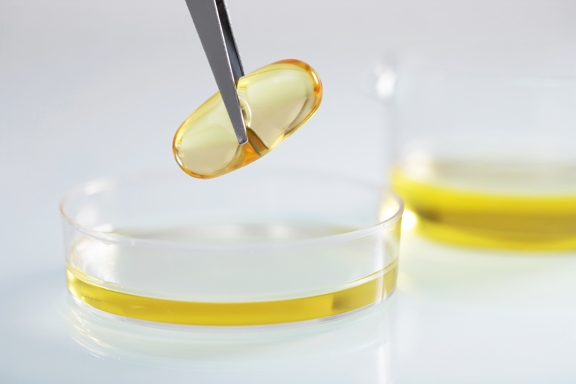
Once purified, fish oil is either bottled as a liquid supplement or encapsulated in soft-gel capsules. Softgel capsules help prevent oxidation and make consumption easier. To improve shelf life, the oil is often mixed with antioxidants such as vitamin E.
Proper packaging is crucial to maintaining fish oil quality. Bottles and capsules are stored in dark, airtight containers to prevent exposure to light and oxygen, which can cause oxidation and spoilage.
Environmental Considerations of Fish Oil Production
Fish oil production poses environmental challenges, including overfishing concerns, waste management, and carbon footprint issues. Sustainable fishing practices are essential to protect marine ecosystems, ensuring that fish stocks remain stable for future generations.
By-products such as fish meal and protein hydrolysates are repurposed for animal feed or fertilizers, reducing waste. Additionally, energy-efficient production methods help minimize the industry’s carbon footprint. In recent years, many companies have explored algae-based omega-3 oil as a sustainable alternative to fish oil. Algae naturally produce DHA and EPA, reducing the need for fish harvesting while providing a plant-based source of omega-3s.
Reliable Fish Oil Suppliers
Fish oil suppliers must meet several key criteria to ensure high-quality, safe, and effective products. These include sourcing raw materials from reputable, sustainable fisheries and adhering to regulatory standards such as Good Manufacturing Practices (GMP) and International Fish Oil Standards (IFOS). Advanced extraction and refinement techniques, such as molecular distillation, are essential for purifying the oil and concentrating omega-3 content.
Suppliers should implement rigorous quality control measures, including testing for contaminants and providing certificates of analysis. Sustainability is increasingly important, with a focus on responsible sourcing and reducing environmental impact. Transparency in sourcing, production methods, and testing is crucial for building trust with clients.
Proper packaging and storage are essential to preserve the oil’s quality, while suppliers should also offer reliable supply chains and customer support. Expertise in the omega-3 market and competitive pricing further enhance a supplier’s attractiveness. By meeting these criteria, fish oil suppliers can establish strong relationships with customers and meet the growing demand for omega-3 products.
Utah Trading LLC A Reliable Supplier of Fish Oil
At Utah Trading LLC, we pride ourselves on being a reliable and trusted supplier of high-quality omega-3 fish oil. With a strong commitment to sustainability, transparency, and excellence, we ensure that every product we deliver meets the highest industry standards.
Our raw materials are sourced from reputable, sustainable fisheries, and our advanced extraction and refinement processes guarantee purity and potency. We adhere to rigorous quality control measures, providing our clients with consistent, safe, and effective fish oil products. With a focus on customer satisfaction and sustainable practices, Utah Trading LLC is your dependable partner in the fish oil industry.
Conclusion
The production of fish oil is a multi-step process that requires careful handling, from raw material selection to extraction, refinement, and packaging. Advances in technology and sustainability efforts continue to improve the efficiency and environmental impact of fish oil production. By understanding how fish oil is made, consumers can make informed choices about the supplements they purchase, ensuring they receive high-quality, safe, and effective omega-3 products.


